Foundation cracks are breaks or separations in a building’s concrete slab, footing, or foundation wall that occur when structural stresses exceed the material’s capacity, and recognizing them early can prevent escalating repair bills and secondary damage. This article explains how foundation cracks form, identifies the common crack types and their causes, and shows homeowners how to triage symptoms to decide between monitoring, DIY patching, or professional repair. You will learn the mechanics of soil settlement, hydrostatic pressure, construction defects, and environmental stressors, plus how foundation type changes visible symptoms and influences repair selection. The guide also covers warning signs that indicate serious structural movement, realistic 2025-era cost ranges and drivers, and the advanced repair methods available today, including when minimally invasive options are appropriate. Finally, practical prevention steps, grading, drainage, landscaping, and inspection triggers are presented along with objective guidance on evaluating contractors and next steps if concerning signs appear. Throughout, key terms such as foundation cracks, foundation settlement, hydrostatic pressure, expansive clay soil, epoxy injection foundation, and piering foundation repair are used in context to help you identify risks and choose the right response.
What Are Foundation Cracks and Why Do They Matter?
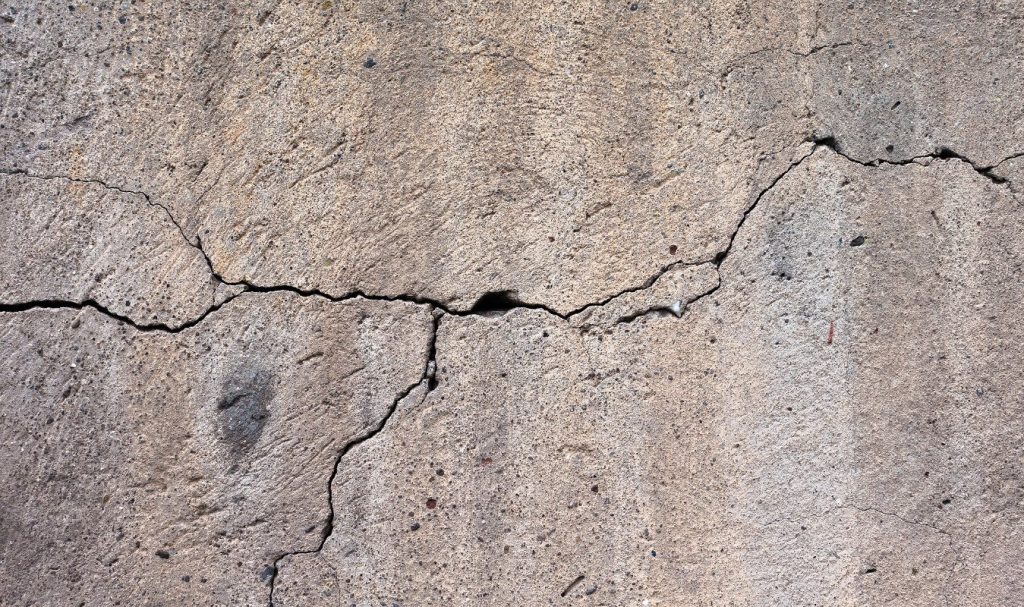 Foundation cracks are visible separations in the concrete slab, foundation wall, or footing that indicate stress, movement, or moisture-driven forces in or around the structure. These cracks matter because they can allow water intrusion, interrupt load paths, and create pathways for mold growth, all of which reduce structural integrity and property value. Early identification of a crack’s type and orientation helps determine whether a crack is primarily cosmetic or a sign of progressive settlement requiring stabilization. The following subsections describe common crack types and how foundation systems influence crack formation, enabling homeowners to interpret visible symptoms accurately and plan the next diagnostic step.
What Types of Foundation Cracks Should Homeowners Know?
Homeowners should recognize five common crack types hairline, vertical, diagonal, horizontal, and stair-step—to assess severity and likely cause. Hairline cracks are thin surface shrinkage lines that often result from curing and are typically low severity, whereas vertical cracks in walls or slabs commonly relate to settlement and usually warrant monitoring or repair. Diagonal or stair-step cracks in masonry often indicate differential settlement and can be more serious, while horizontal cracks in foundation walls usually signal lateral pressure from saturated soils and often require prompt professional evaluation. Knowing these visual cues lets homeowners prioritize actions such as documenting growth, reducing nearby moisture sources, or arranging an inspection.
Different crack types, their typical orientation, causes, and immediate homeowner actions are summarized below to help with quick triage and communication with professionals.
| Crack Type | Typical Orientation | Typical Cause | Severity Indicator |
|---|---|---|---|
| Hairline | Random fine lines | Concrete shrinkage/cure | Usually minor; monitor |
| Vertical | Up/down in walls/slabs | Uniform settlement | Often minor to moderate; document growth |
| Diagonal | Angled across blocks/near openings | Differential settlement | Moderate; assess movement |
| Stair-step | Zig-zag through masonry joints | Foundation rotation/settlement | Moderate to severe; inspect |
| Horizontal | Side-to-side across walls | Hydrostatic pressure/soil load | Often severe; urgent evaluation |
This comparison helps prioritize which cracks to monitor and which to escalate, and it prepares homeowners to describe symptoms accurately when seeking professional assessment. Understanding the type of crack leads directly into assessing how different foundation systems display these patterns.
How Do Different Foundation Types Affect Crack Formation?
Slab-on-grade, pier-and-beam, and full-basement foundations respond differently to soil movement and moisture changes, producing distinct crack patterns homeowners can use for diagnosis. Slab-on-grade foundations often show surface settlement cracks and edge gaps where soil beneath a slab has eroded or compressed, while pier-and-beam systems tend to show localized dips, floor bounce, and displaced trim where piers shift or rot. Basement foundations reveal vertical and horizontal wall cracks caused by settlement and lateral hydrostatic forces respectively, with bowed walls indicating substantial lateral loads and requiring stabilization. Recognizing these system-specific symptoms clarifies potential repair paths surface patching for isolated slab cracks, pier adjustment for localized settlement, or wall stabilization for lateral pressure and prepares the homeowner for the likely diagnostic and repair steps ahead.
What Are the Main Causes of Foundation Cracks?
Foundation cracks originate from a few primary causes: soil movement and settlement, water and hydrostatic pressure, construction defects, and environmental stressors—each acting through different mechanisms to stress a foundation. Soil settlement causes cracks by creating uneven support that concentrates loads on parts of the foundation; expansive clays cause heave and shrinkage that cyclically stress concrete; poor compaction leaves voids that later consolidate and shift. Water increases soil pressure and erodes supporting material so that hydraulic forces and loss of bearing capacity can crack walls and slabs. Construction issues—insufficient reinforcement, poor joint placement, or improper backfill combine with environmental factors like tree roots and freeze-thaw cycles to exacerbate movement and create visible cracks. Below is a practical mapping of common causes to their moisture sensitivity, seasonal behavior, and primary mitigations.
| Cause | Moisture Sensitivity | Seasonal Behavior | Primary Mitigation |
|---|---|---|---|
| Expansive clay | High | Swells wet / shrinks dry | Improve drainage, moisture control |
| Poor compaction | Moderate | Progressive settlement over time | Geotechnical remediation, underpinning |
| Hydrostatic pressure | High | Increases after heavy rain/seasonal rise | Exterior drainage, sump systems |
| Tree roots | Variable | Growth-driven, seasonal moisture impact | Root barriers, remove close trees |
| Erosion/soil loss | High near slopes | After heavy storms | Regrading, retaining structures |
What Are the Warning Signs of Serious Foundation Damage?
Warning signs of serious foundation damage are measurable and observable cues that suggest structural movement rather than cosmetic issues, and recognizing them enables timely professional action. Serious indicators include crack width greater than 1/4 inch, active growth documented over weeks or months, horizontal cracks, bowed or leaning walls, and doors or windows that stick or separate from frames. These symptoms relate directly to load-path disruption and soil pressure mechanics, and documenting them with photos and basic measurements helps professionals prioritize diagnostics and remediation. The following interior and exterior checklists provide specific items to monitor and record to decide when a structural specialist should evaluate the home.
- Interior warning signs homeowners should document and monitor:Doors and windows that stick or no longer latch properly, indicating shifting frames. Diagonal cracks above doors or windows wider than 1/4 inch, pointing to differential settlement. Uneven or sloping floors detected with a level or visually between rooms.
These interior indicators often precede visible exterior damage and should be photographed and measured periodically; recording baseline measurements prepares homeowners for professional inspection decisions. Next, exterior signs often signal more advanced movement and require prompt attention.
Which Interior Signs Indicate Foundation Problems?
Interior signs such as sticking doors, diagonal wall cracks near openings, and sloping floors indicate that the building’s framing and finishes are shifting relative to the foundation. Sticking doors or windows that suddenly bind often reflect subtle frame movement; measuring the gap change over time clarifies whether movement is active. Diagonal cracks wider than 1/4 inch above openings suggest differential settlement where one side of a load-bearing element drops relative to the other; documenting these cracks quarterly reveals growth. Recording floor slope with a simple level and photographing changes gives a timeline for professionals to correlate with soil and seasonal behavior, and this documentation is useful when obtaining estimates or filing insurance claims.
What Exterior Signs Reveal Foundation Damage?
Exterior signs like stair-step cracks in brickwork, gaps between siding and foundation, a separated or leaning chimney, and outward-bowing walls indicate substantial foundation movement or lateral pressure. Stair-step cracks in masonry commonly mean block movement along mortar joints, and gaps between siding and foundation can indicate settlement or soil shrinkage. A leaning chimney often signals differential foundation movement beneath the chimney footing and demands inspection because chimney collapse can be dangerous. Observing these exterior markers and noting whether cracks widen after storms helps distinguish between cosmetic hairline separations and structural motion that requires stabilization.
When Is DIY Repair Appropriate and When Should You Hire a Professional?
DIY is appropriate for purely cosmetic hairline cracks and small non-structural surface spalling where no evidence of active movement exists, and the homeowner understands proper filler selection and surface preparation. Homeowners should measure cracks, monitor for growth, and only consider DIY sealing when width is under 1/8 inch, no vertical displacement is present, and there are no accompanying structural symptoms. Hire a professional if cracks exceed 1/4 inch, show active growth, include horizontal orientation, or coincide with doors/windows sticking or wall bowing—these signs require structural diagnostics, load recalculation, and possible underpinning. When choosing a contractor, request itemized estimates, ask for references for similar work, and confirm whether a geotechnical report or engineered plan will be provided; clear documentation helps compare proposals objectively.
For homeowners preparing to request estimates, the following checklist helps ensure apples-to-apples comparisons:
- Request an itemized written estimate listing scope, materials, labor, timeline, and warranty.
- Ask whether a structural engineer or geotechnical report is part of the scope and who bears the cost.
- Confirm timelines and typical disruption to landscaping and interior spaces.
These steps reduce ambiguity in pricing and set expectations about outcomes, warranty coverage, and follow-up monitoring. The next major section examines consequences of ignoring cracks and how costs escalate over time.
What Are the Consequences of Ignoring Foundation Cracks?
Ignoring foundation cracks allows underlying mechanisms—soil consolidation, hydrostatic pressure, or progressive load redistribution—to continue, which often increases repair complexity and cost over time. Small cracks commonly widen, link with other cracks, and permit water intrusion that leads to mold, wood rot, and compromised mechanical systems, thereby increasing remediation scope beyond structural fixes. Structural integrity can degrade as load paths change, producing wall bowing, localized collapse risk, and safety hazards for occupants; these outcomes also reduce resale value and complicate mortgage or insurance approval. The following subsections trace cost escalation, structural consequences, secondary damages, and market impacts so homeowners understand the financial and safety stakes of delayed action.
How Do Repair Costs Escalate Over Time Without Intervention?
Over time, minor surface cracks can progress to active settlement or lateral wall movement, increasing repair requirements from patching to underpinning and soil stabilization, which multiplies costs. For example, an early epoxy injection and moisture-control fix might cost a few thousand dollars, while delayed stabilization with piering and drainage overhaul can exceed ten thousand dollars depending on the number of piers and scope of soil work. Annual monitoring often reveals measurable growth rates—especially in expansive clay regions—so early documentation and intervention typically yield a favorable return on investment by avoiding larger structural remediation. Homeowners who act early reduce both direct repair costs and associated secondary remediation for mold or interior finishes.
How Does Ignoring Cracks Affect Structural Integrity and Safety?
Progressive foundation movement alters load distribution through floors and walls, potentially causing excessive deflection, wall bowing, and compromised bearing elements that can threaten the structure’s safety. Load-path disruption means beams and joists may carry unexpected forces, increasing risk of localized failure, sagging floors, and, in extreme cases, partial collapse of non-structural elements. Signs that indicate immediate safety risk—rapid crack widening, doors jamming suddenly, or visible rotation of structural members—should prompt evacuation of affected areas and emergency structural assessment. Understanding these escalation mechanics underscores why visible cracks sometimes represent an urgent safety issue rather than a cosmetic embarrassment.
How Can Homeowners Prevent and Address Foundation Cracks Early?
Preventative practices focus on stabilizing soil moisture, managing surface water, and avoiding concentrated loads or vegetation close to foundations, which together minimize the primary drivers of foundation movement. Grading for positive drainage, keeping gutters and downspouts clear, and extending downspouts away from the foundation control moisture cycles that expand or shrink soils. Landscaping choices—placing trees and large shrubs at recommended distances and using deep-root barriers—reduce root-driven soil displacement, while routine inspection and monitoring allow homeowners to catch active movement before it becomes structural. The steps below outline practical, repeatable measures homeowners can apply seasonally to minimize foundation risk and create a maintenance record for professionals.
- Improve drainage: Ensure grade slopes away from the foundation and extend downspouts at least several feet from the wall.
- Maintain gutters and downspouts: Clean gutters seasonally and inspect for leaks that concentrate water near the foundation.
- Landscape strategically: Plant drought-tolerant species away from the foundation and avoid heavy watering next to the slab.
Implementing these steps reduces moisture swings and the greatest external driver of many foundation problems; consistent maintenance also makes inspection findings easier to interpret. After these homeowner actions, scheduling a professional inspection when triggers appear ensures a technical assessment and remediation plan.
 What Drainage and Landscaping Practices Help Prevent Cracks?
Simple drainage and landscaping adjustments reduce soil moisture variance and lessen expansive-soil movement that cracks foundations, including regrading to promote positive slope, installing surface drains where water concentrates, and routing roof runoff well away from the foundation. Avoid planting large trees and shrubs within the critical root zone near the foundation; where trees remain, consider root barriers and controlled irrigation to prevent roots from extracting moisture unevenly. Mulch beds and aerated soil beds help maintain uniform moisture near the foundation while minimizing concentrated irrigation that creates soft spots. Regular seasonal checks of grade, downspouts, and planter irrigation schedules form a preventive routine that directly addresses the most common external drivers of foundation cracking.
After implementing drainage and landscaping best practices, homeowners should monitor visible cracks and interior symptoms; persistent or worsening signs warrant a professional inspection with documented findings and recommendations. The inspection will be the next logical step for concerning signs.
When Should You Schedule a Professional Foundation Inspection?
Schedule a professional foundation inspection when specific triggers exist: crack width over 1/4 inch, horizontal wall cracking, active crack growth observed over weeks or months, doors/windows rapidly changing fit, or exterior signs like chimney separation or bowed walls. A quality inspection includes a visual assessment, measurements of crack width and movement over time, documentation with photos, and often a severity rating or engineered recommendation; some inspections also incorporate or recommend geotechnical testing. Expect a written report summarizing findings, photographic evidence, severity assessment, and prioritized remediation options—this deliverable provides the objective basis to compare contractor proposals. If you observe the listed triggers, arranging an inspection promptly limits escalation and yields the documentation needed for clear next steps.
How Do These Methods Compare in When to Call Professionals vs. DIY?
DIY options are limited to cosmetic sealing and shallow slab filler kits for hairline cracks under controlled conditions; advanced methods—epoxy injection, carbon fiber installation, piering, and foam injection—require specialized equipment, structural judgment, and engineered plans. Professionals bring structural assessment, geotechnical inputs, and warranties that protect homeowners from recurrence, and they coordinate necessary permits and engineered oversight for underpinning. Expect professionals to document pre- and post-repair conditions and to provide timelines, disruption expectations, and warranty terms so homeowners understand trade-offs. When crack severity or symptoms meet the thresholds described earlier, engage a licensed structural repair professional rather than attempting significant repairs as a DIY project.